
10 Lighting Mistakes Nigerians Make When Furnishing a New Home is a guide to help you avoid common lighting problems when setting up your space. Furnishing a new home is exciting, but lighting is one of the most overlooked parts of the process. Many Nigerian homeowners spend time choosing furniture, paint colours and décor, yet leave lighting until the very end.
If you’re building, renovating, or furnishing a home in Nigeria, here are 10 common lighting mistakes to avoid and how to get your lighting right.
1. Buying Lights Before Planning the Room
One of the most common mistakes is buying a light because you like its design without first considering whether it will work in your space. A chandelier can look beautiful online or in a showroom, but that does not mean it will suit your living room.

Before choosing a fixture, consider the size of the room, the ceiling height, the furniture arrangement, the amount of natural light, and the purpose of the space. A large chandelier may work well in a spacious living room with a high ceiling, but the same fixture could overwhelm a smaller room.
The best approach is to plan the room first and choose the light afterwards. Know where your furniture will be placed and what you want the lighting to achieve before you start shopping.
2. Using Only One Light Source in a Room
A single ceiling light may brighten a room, but it does not necessarily provide the best lighting for everything that happens there. A living room, bedroom or kitchen may have several areas that require different types of lighting.
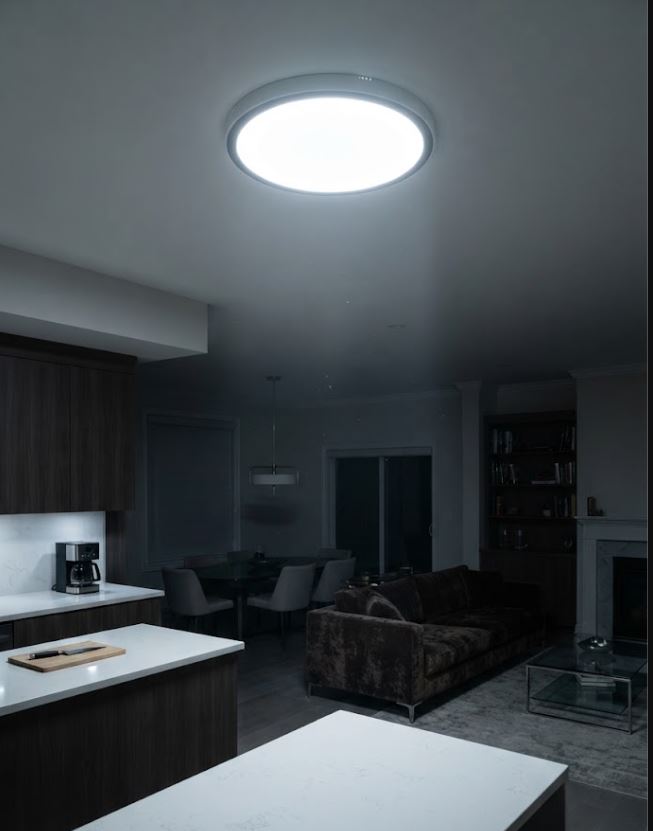
This is where layered lighting becomes useful. Ambient lighting provides general brightness. Task lighting focuses on activities such as reading or cooking. Accent lighting can highlight artwork, architectural details or décor.
For example, a living room could have a chandelier for general lighting, wall lights for additional brightness, and a floor lamp beside a reading chair. A bedroom could combine a ceiling light with bedside lamps. This means you do not have to turn on the main light every time you need some brightness.
The goal is not to install as many lights as possible. It is to use the right combination of lights for the way you use the room.
3. Using the Same Light Colour Throughout the House
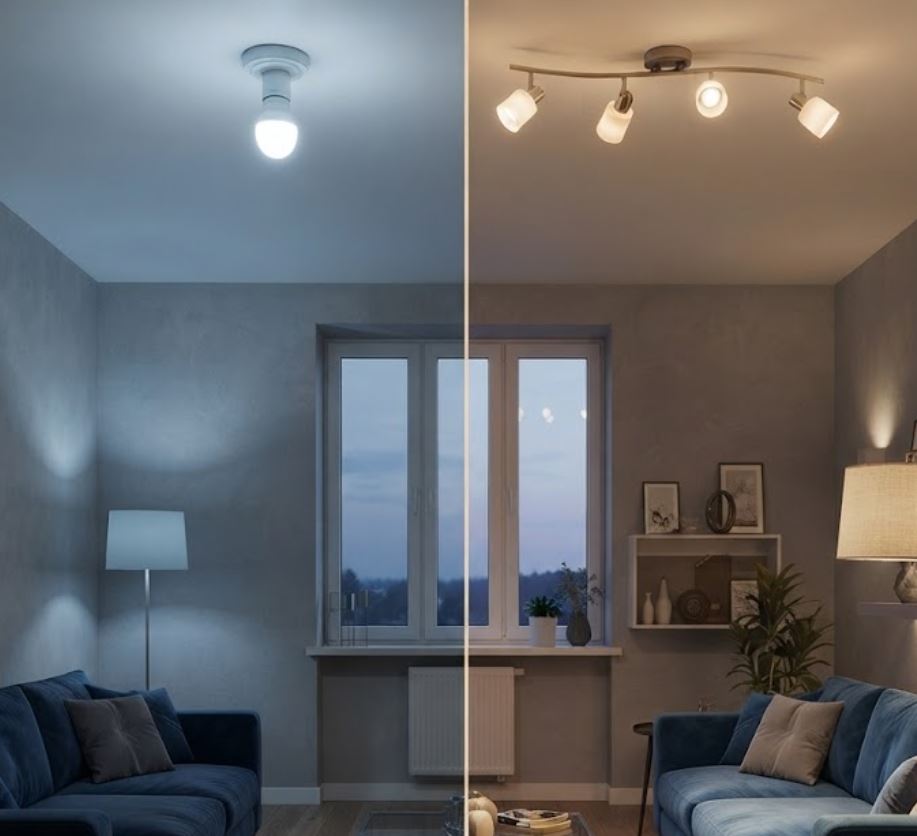
Another common mistake is assuming that every room needs the same colour of light. Different colour temperatures create different effects. The best choice often depends on how a particular room is used.
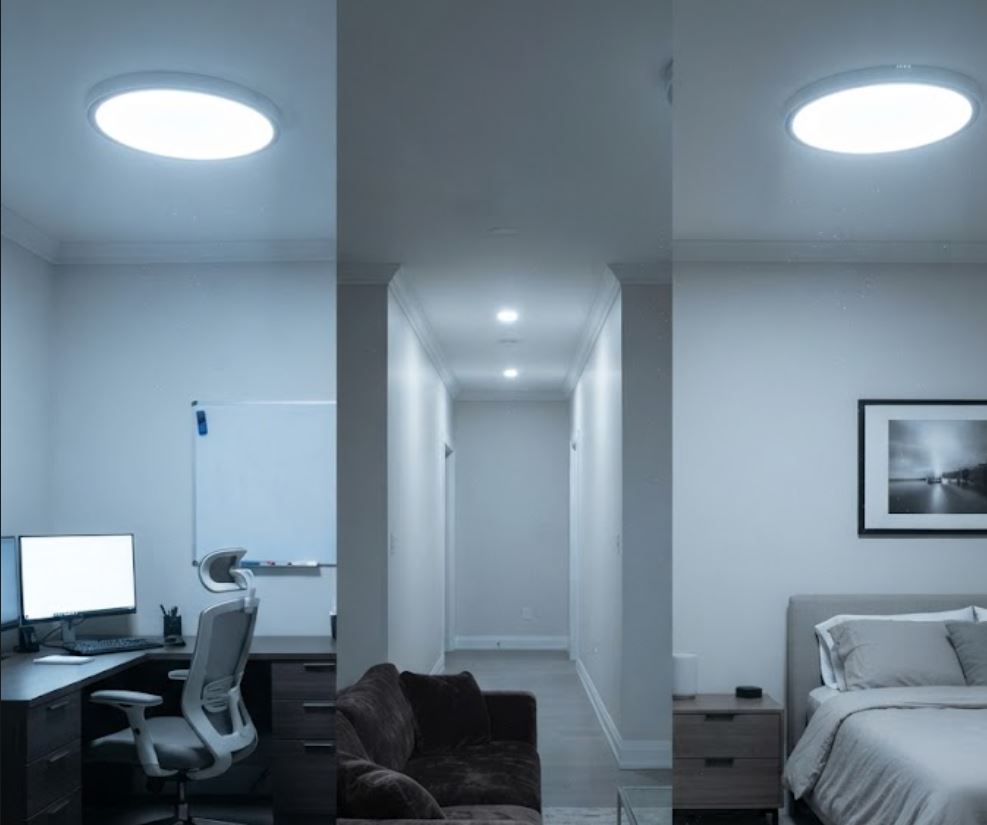
Warm white creates a softer and more relaxed atmosphere. It can work well in bedrooms, living rooms and dining areas. Neutral white offers a balanced appearance and can be useful in kitchens, bathrooms and home offices. Cooler light has a brighter and crisper appearance. It may be useful in certain work-focused spaces.
No rule says every room in your home must use exactly the same light colour. Think about the mood and function of each space before making your choice.
A bedroom designed for relaxation may benefit from warmer lighting. A kitchen where you prepare food may need clearer and more practical brightness.
4. Choosing a Chandelier That Is Too Big or Too Small
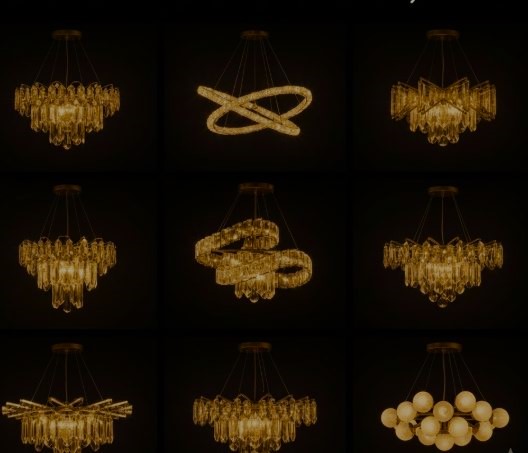
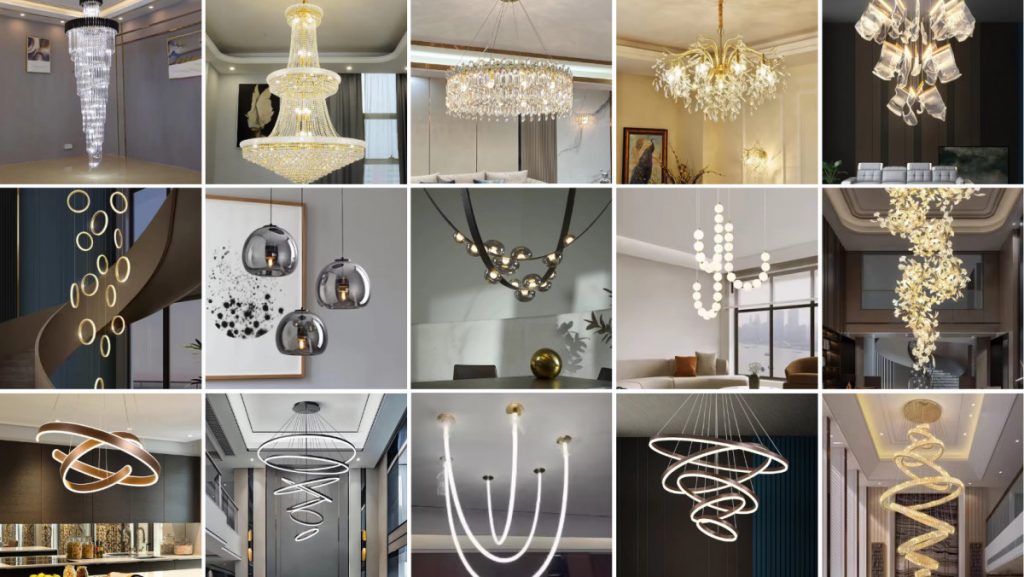
Chandeliers are popular statement pieces in Nigerian homes. They are especially common in living rooms, dining areas, and entrance halls. Because they can become one of the most noticeable features in a room, choosing the right size is important.
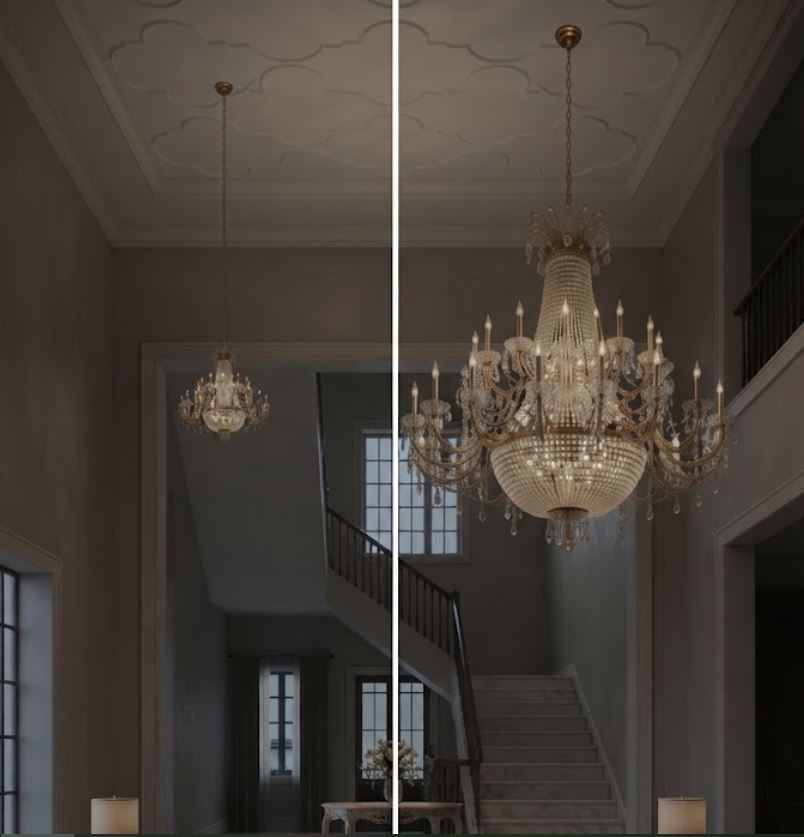
A chandelier that is too small may look lost in a large room. An oversized fixture can dominate the space and make the furniture feel out of proportion. Ceiling height is also important. A fixture that works beautifully in a high-ceilinged room may not be suitable for a standard-height ceiling.
Before buying a chandelier, consider the dimensions of the room, the ceiling height and the furniture around it. For dining areas, the size and shape of your dining table should also influence your choice.
Measure your space before you shop. This simple step can save you from buying a beautiful fixture that does not work in the room.
5. Installing Too Many Downlights
Downlights are popular in Nigerian homes because they offer practical brightness and give ceilings a clean, modern appearance. However, installing more downlights does not automatically mean a room will be better lit.
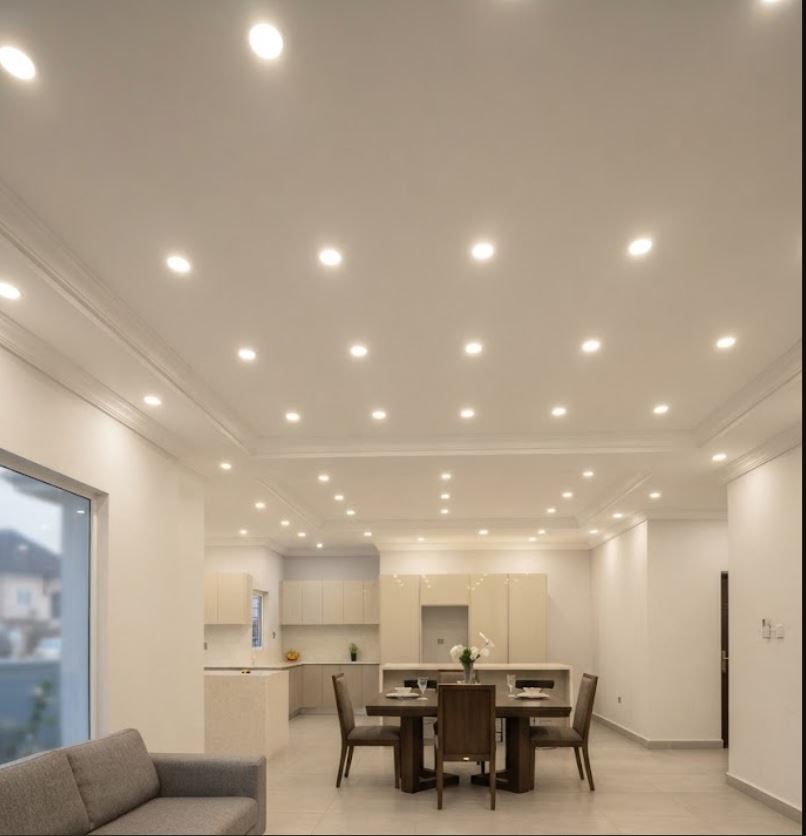
Too many fixtures can create glare, make the ceiling look crowded and increase your installation costs. More importantly, they may not solve the actual lighting problem if they are not positioned where brightness is needed.
Instead of covering the ceiling with downlights, think about the activities that take place in the room. In a living room, strategically positioned downlights can work alongside a chandelier, wall lights or lamps. In a kitchen, you may need more focused lighting around work surfaces rather than simply adding more lights to the centre of the ceiling.
Good lighting is about placement and purpose, not quantity.
6. Ignoring Lighting Around the Bathroom Mirror
Bathroom lighting is often planned around the ceiling, with little attention given to the mirror area. This can leave you with a bathroom that looks bright but does not provide enough useful lighting where you actually need it.
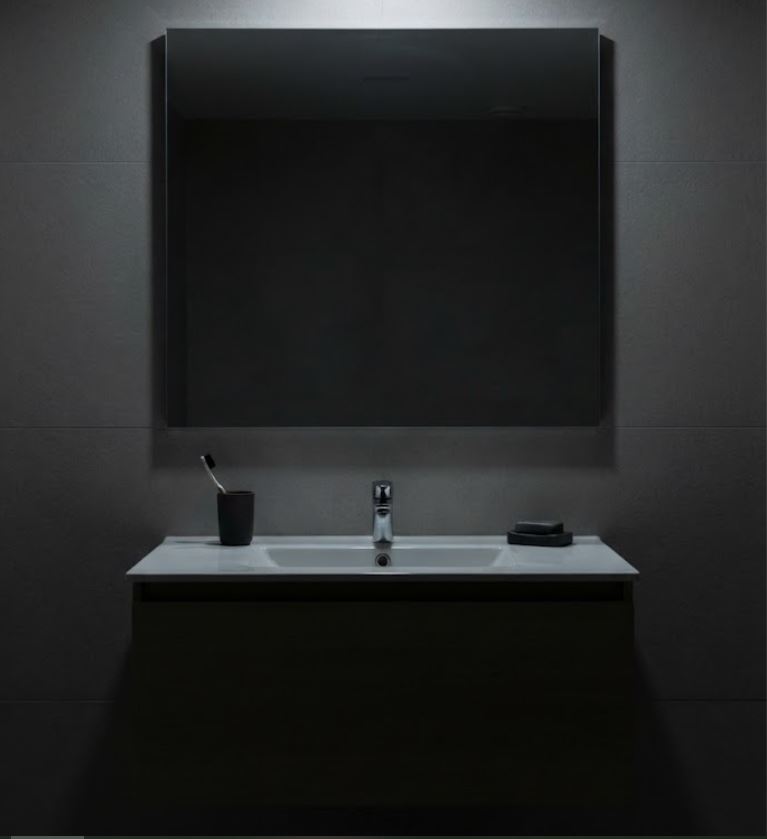
The mirror is an important functional area because it is where you get ready and carry out everyday grooming routines. Depending on the position of the light, an overhead fixture may also create shadows that make the mirror area less comfortable to use.
An LED smart mirror can be a practical option for a modern bathroom because it combines the mirror and lighting functions in one fixture. Depending on the model, features such as anti-fog functionality and Bluetooth connectivity may also be available.
When planning your bathroom, don’t only ask where the ceiling light should go. Think about how the mirror area will be lit and how you will use the space every day.
7. Forgetting About Bedside Lighting
Many bedrooms are designed around one main ceiling light. However, the room is used for activities that do not always require bright overhead lighting. Reading, relaxing or getting ready for bed can be more comfortable with softer and more focused lighting.
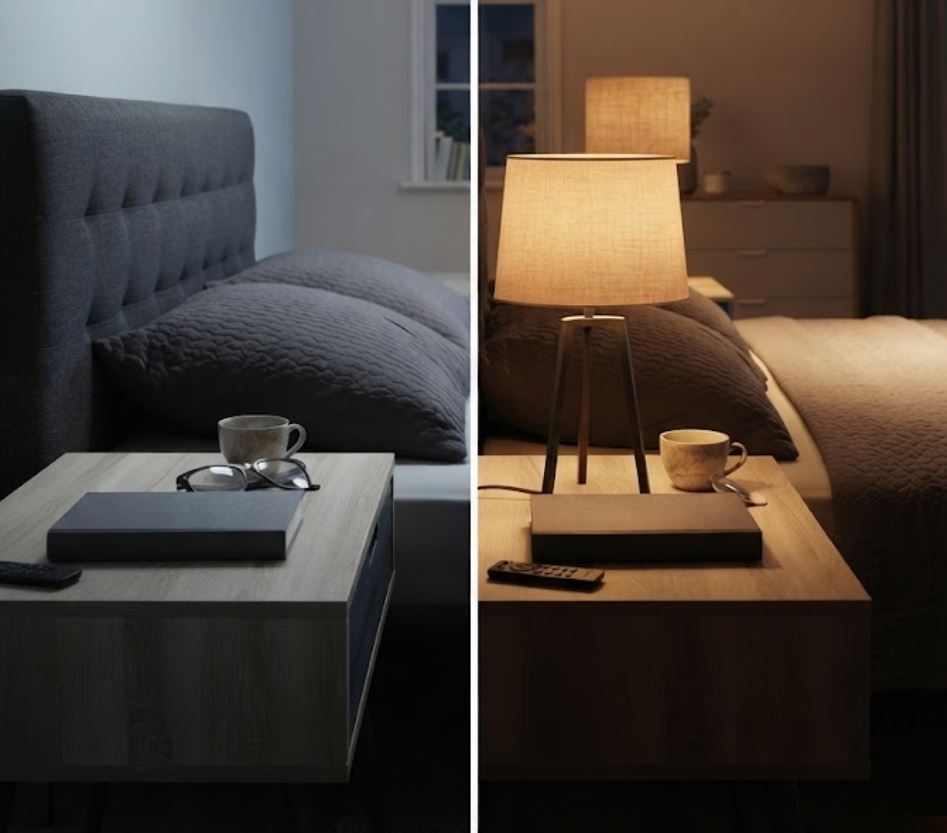
Bedside lamps and wall lights are simple ways to introduce this type of lighting. They also give you greater control because you can use them without switching on the main ceiling fixture.
It is best to plan bedside lighting before the bedroom is completed. Once you know where the bed and bedside tables will be positioned, you can decide whether table lamps, wall lights or pendant lights would work best.
Also, consider convenience. The switch for your bedside light should be easy to reach. The fixture should provide enough brightness for its intended purpose without being uncomfortable to look at.
8. Choosing Outdoor Lights Without Considering Nigerian Weather
Outdoor lighting needs more consideration than simply choosing a fixture that looks good. Depending on where it is installed, an outdoor light may be exposed to rain, humidity, dust, heat and direct sunlight.
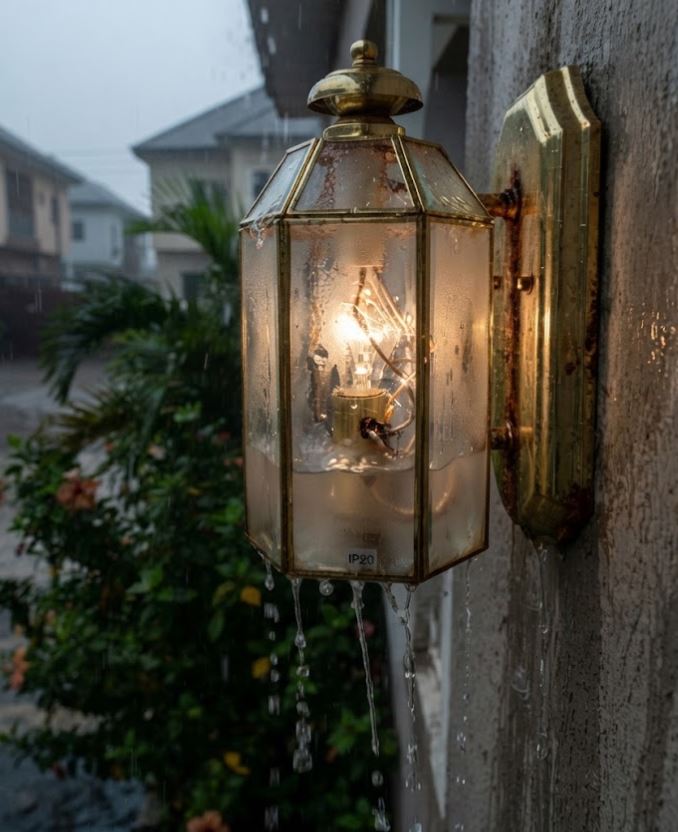
This is particularly important for garden lights, entrance lights, outdoor wall lights, balcony lighting and pathway lights. A fixture that is suitable for an indoor environment may not be designed to withstand outdoor conditions.
Before purchasing an outdoor light, check whether it is specifically designed for outdoor use. You should also look at its IP or weather-resistance rating. The materials, finish and location of installation also matter.
Your outdoor lighting should complement the appearance of your home while also being suitable for the environment it will be exposed to.
9. Planning Lighting After the Electrical Work Is Done
This is one of the biggest mistakes to avoid when building or renovating a home. Lighting is not just about choosing the fixture you eventually see on your ceiling or wall. It also involves wiring, electrical points, switches and fixture positions.
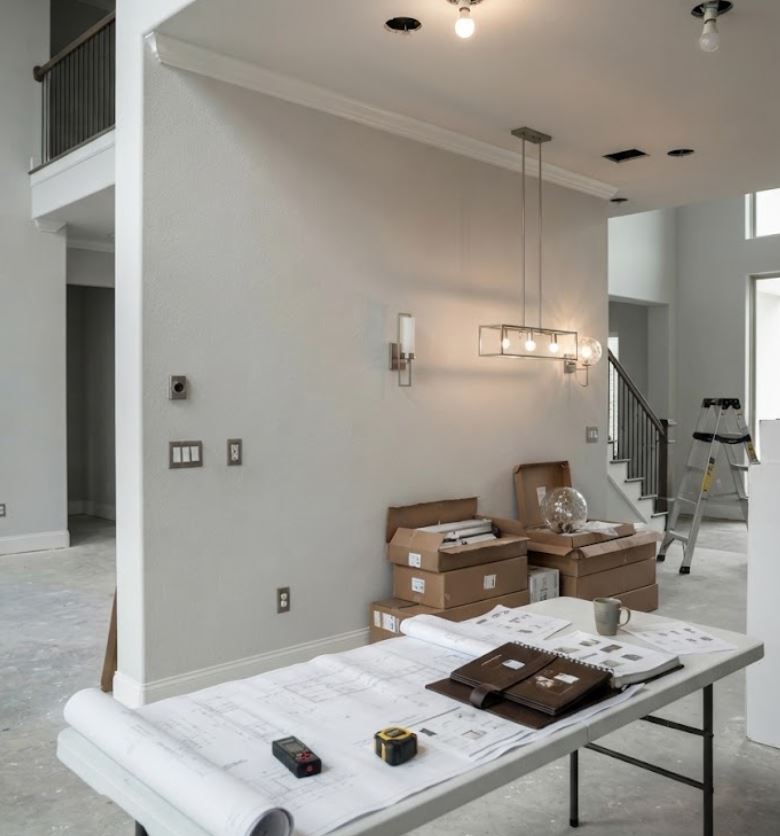
If you wait until the electrical work is finished before deciding where you want your lights, you may find that the available points do not match your plans. Changing them later can involve additional work, particularly once the walls and ceilings have been completed.
Before the electrical work is finished, think about where you want chandelier points, pendant lights, wall lights, bedside lights, bathroom mirror lighting, kitchen task lighting and outdoor fixtures. Your switch locations should also be considered at this stage.
For anyone building a new home, lighting should be part of the electrical and interior planning process from the beginning.
10. Choosing the Cheapest Light Instead of the Right Light
Furnishing a home can become expensive quickly, so, understandably, homeowners look for ways to save money. However, choosing a light simply because it has the lowest price may not always provide the best value.
Look beyond the price. Consider the quality of the materials, size, design, bulb type, wattage, intended location, installation requirements, and availability of replacement parts or bulbs. Warranty and after-sales support can also be important, particularly for more complex fixtures.
This does not mean you need the most expensive light in every room. Some spaces may only need simple and functional fixtures. The aim is to find the right balance between quality, functionality, design and price.
A well-made light that suits your space can provide better value than an expensive fixture that looks impressive but does not work well for the room.
How to Plan Your Lighting Budget
You don’t have to buy every light for your home at once. If your budget is limited, prioritise lighting based on what you need most.
Start with essential lighting so every room has adequate brightness. Next, add task lighting in areas where you need focused lighting, such as the kitchen, bathroom, bedroom or workspace. Once those needs are covered, you can invest in decorative lighting, including statement chandeliers, wall lights and LED accent lighting.
This approach allows you to create a functional home first and add decorative elements gradually as your budget allows.
New Home Lighting Checklist
Before buying your lighting, ask yourself:
- Have I measured each room?
- Do I know the ceiling height?
- Where are the electrical points?
- What will each room be used for?
- Where do I need general lighting?
- Where do I need task lighting?
- Would accent lighting improve the space?
- Have I chosen an appropriate light colour?
- Is each fixture the right size?
- Have I planned bedside and bathroom mirror lighting?
- Are my outdoor fixtures suitable for outdoor conditions?
- Have I considered installation requirements?
- Does the lighting plan fit my budget?
- Have I planned everything before the electrical work is completed?
Final Thoughts
Good lighting is not about filling every ceiling with downlights or buying the biggest chandelier you can find. It starts with understanding your space, planning early and choosing fixtures based on how each room will actually be used.
Whether you’re building a new house, renovating an existing property or furnishing an apartment, taking the time to plan your lighting before you start buying fixtures can help you avoid unnecessary expenses and make better decisions.
At Light Trybe Nigeria, we help homeowners, interior designers and businesses find lighting solutions for different spaces and budgets. From chandeliers and ceiling lights to wall lights, bedside lamps, outdoor lighting and LED smart mirrors, we help you find lighting that works for your space.
Building or furnishing a new home? Start with your lighting plan before you start buying your fixtures.
Related Posts